

Following the recent Chartered Trading Standards Institute (CTSI) annual conference in Glasgow, which was attended by EUROC representatives, the message from enforcement professionals and the U.K Government is clear:
We must move from a passive defence to an active offensive strategy. The era of simply telling targeted timeshare consumers to ‘hang up’ is over.
We must proactively educate our owners and members, along with training our in-house customer service team members to funnel data directly to regulatory authorities.
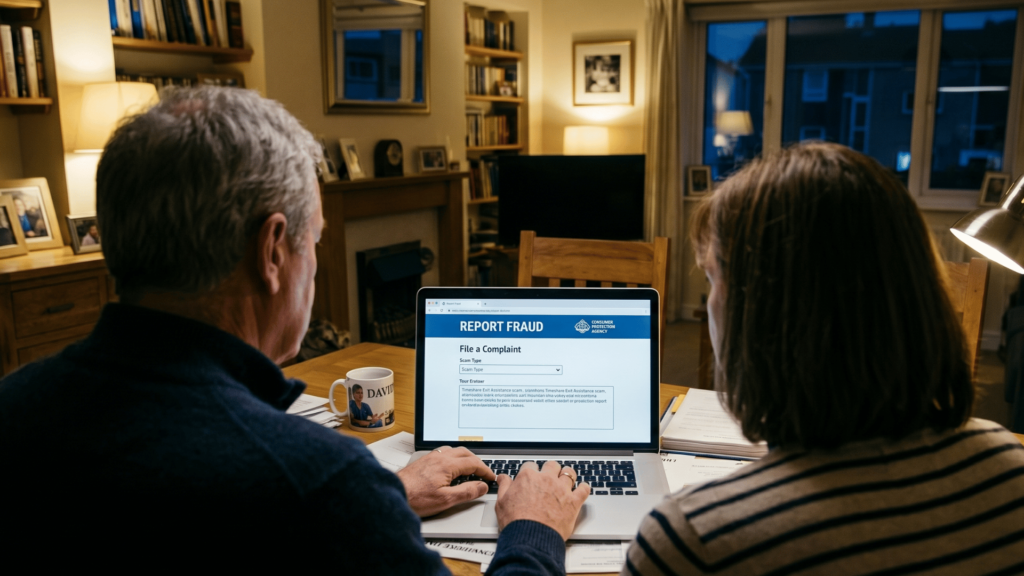
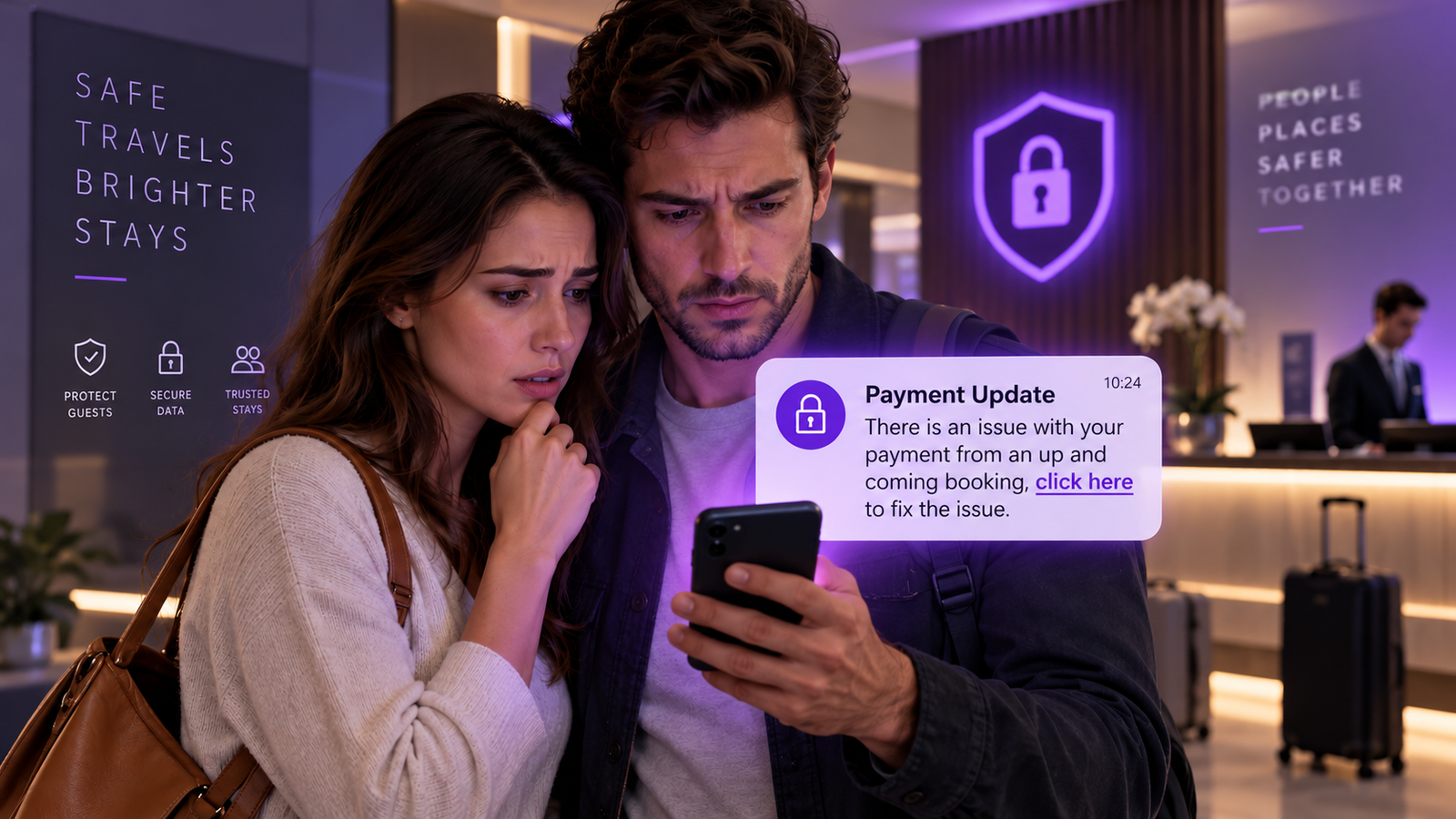
Rogue operators are increasingly targeting owners via unsolicited cold calls, using the deceptive hook, ‘We can help you exit.’ or ‘Are you unhappy with your timeshare’
It is vital that we educate our owners and members on a golden rule do not pay upfront fees and contact your club or resort to discuss your timeshare product.
While EUROC acts as a vital consumer protection organisation and can log and report fraudulent trends reported to them, it is a clear instruction from regulators that it is far more effective for consumers to report this activity directly to the correct enforcers within their country of residence. Direct reporting creates an immediate, actionable paper trail that authorities can utilise without delay.

In the U.K, the regulatory landscape has been completely transformed. Backed heavily by the Government’s Department for Business and Trade (DBT), the Digital Markets, Competition and Consumers Act 2024 (DMCCA Act) has officially granted Trading Standards and the Competition and Markets Authority (CMA) ferocious new civil enforcement powers. Regulators no longer face multi-year High Court battles to penalise rogue entities; they can now directly levy administrative fines of up to 10% of a firm’s global turnover or up to £300,000 for individuals engaged in deceptive practices.
To capitalise on this legislative crackdown, we are providing EUROC members with consumer-ready educational booklet on where to report any issues experienced from a cold caller or for you to distribute immediately.
The European Context and the Power of Shared Standards
Because fraudulent networks operate fluidly across international borders, authorities are sharing intelligence seamlessly.
While the DMCCA Act 2024 is a British piece of legislation, consumer protection does not stop at the English Channel. For a timeshare owner or a resort operator, a seamless understanding of European equivalents is vital.
While the UK operates under the DMCCA, our European neighbours rely on their own domestic laws, all heavily shaped by the European Union’s Unfair Commercial Practices Directive (UCPD). This ensures a reassuringly familiar baseline of consumer protection across the continent:
España: Governed by the Ley General para la Defensa de los Consumidores y Usuarios, which contains strict, specific provisions regarding timeshare contracts and aggressive sales techniques.
Francia: Enforced through the stringent Code de la consommation, which heavily regulates misleading marketing and consumer credit agreements.
Italia: Managed via the Codice del consumo, protecting consumers from unfair contracts and deceptive advertising.
Portugal: Covered under Decreto-Lei n. º 24/2014 and related consumer protection acts, which mandate clear pre-contractual information.
Alemania: Regulated through the Bürgerliches Gesetzbuch (BGB) alongside the Gesetz gegen den unlauteren Wettbewerb (UWG), focusing heavily on unfair competition and transparent terms.
Compliance Scandinavia: Countries like Sweden and Denmark enforce these standards through highly active Consumer Ombudsmen (Konsumentombudsmannen), who monitor commercial practices with zero tolerance for deception.
Crucially, this shared approach extends perfectly into data privacy. The General Data Protection Regulation (GDPR) remains functionally identical across the European Union, and the United Kingdom’s own UK GDPR closely mirrors these exact laws.
Whether a consumer is based in London, Hamburg or Lisbon, the rules governing unsolicited contact and the handling of personal data are strictly aligned. Rogue exit companies cannot simply hide behind international borders to exploit consumer data.
While EUROC provides free and invaluable high-level support and guidance to consumers, bypassing intermediaries and pushing owners to report directly to the enforcers is what systematically chokes off the operational vacuum these fraudsters exploit.
Thank you for your ongoing cooperation and efforts in keeping the European Timeshare Owner community secure, transparent, and legally protected.